
Did you know?
40 - 60% is the ideal relative humidity for indoor spaces. This range is considered optimal for health, comfort, and maintaining good indoor air quality.

In Summer,
humidity levels are higher

In Winter,
humidity levels tend to be lower
The use of Hygrometers to measure humidity levels is necessary to establish problems with low/high humidity in buildings and many other applications.
If humidity levels are too low then we use humidifiers to raise the moisture, either by isothermal or adiabatic technology.
When humidity levels are too high then we use dehumidifier technology to remove excess moisture from the air.
Ventilation and temperature also play a vital role in creating the ideal environment, these parameters are always used when humidity systems are designed.
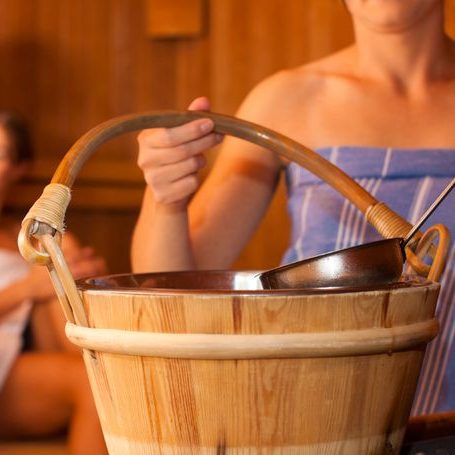
Isothermal
Humidifiers
Types of Isothermal (steam) Humidifiers:
Electrode Boiler Humidifiers
- Use electrical current through water to generate heat and produce steam.
Resistive Heater Humidifiers
- Use electric resistance heaters (immersion elements) to boil water.
Gas-Fired Steam Humidifiers
- Use natural gas or propane to heat water and produce steam.
Live Steam Injection Systems
- Inject steam directly from a building's central steam system into the air.
Steam-to-Steam Humidifiers
- Use building steam to boil clean, potable water in a separate chamber.
Adiabatic
Humidifiers
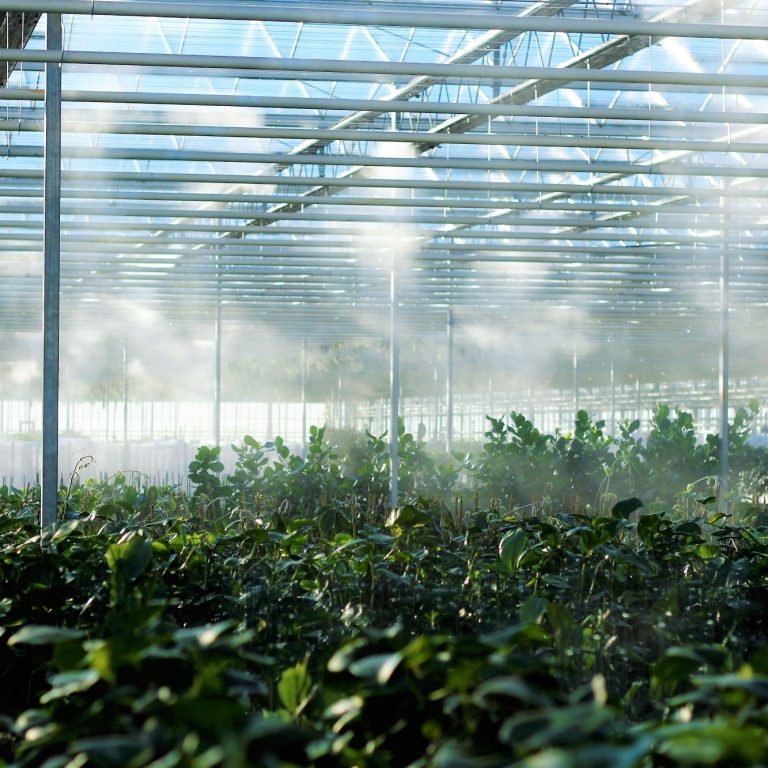
Types of Adiabatic Humidifiers:
Ultrasonic Humidifiers
- Use high-frequency sound vibrations to create a fine mist of water droplets.
High-Pressure Spray / Nozzle Systems
- Atomize water using high-pressure pumps and nozzles (typically 30–80 bar).
Compressed Air Atomisers
- Mix water and compressed air to produce a fine mist.
Evaporative Humidifiers (Media Pads or Rotating Discs)
- Air is blown over or through a wetted medium (e.g., pad, filter, or rotating disc) and absorbs moisture.
Centrifugal Humidifiers
- Use a spinning disc to throw water into the air, creating small droplets.

Dehumidifiers
Types of dehumidifiers
- Desiccant
- Refrigerant